Choosing the right quartz slab production line supplier is about more than comparing machine specifications or prices. A reliable supplier should be able to prove experience with similar projects, configure the line around your target slab size, capacity, automation level, and factory conditions, and clearly explain what is included in the proposal.
Pay particular attention to the supplier’s core technologies, especially the pressing system, as well as installation, commissioning, training, spare parts, and after-sales support. When comparing suppliers, use the same project requirements and evaluate the complete technical and service scope—not just the final quotation. An unusually low price may simply mean that important equipment, services, or support have been excluded.
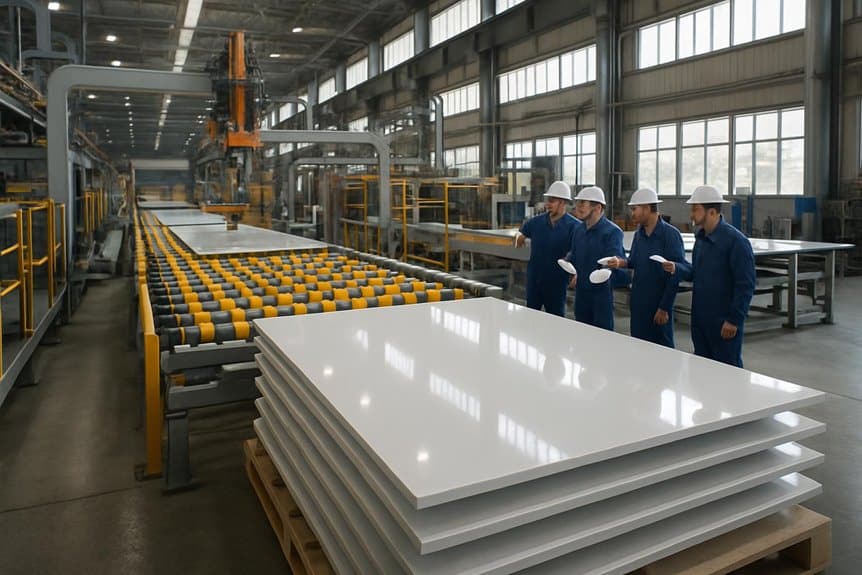
Before comparing prices or technical specifications, confirm that the supplier has successfully delivered quartz slab production lines similar to the one you plan to build.
The most relevant experience is not simply the number of projects completed, but whether those projects match your requirements in areas such as slab size, production capacity, automation level, product type, and factory conditions. A supplier experienced mainly with small standard-slab lines may not be the best choice for a high-capacity jumbo slab project.
Ask shortlisted suppliers to provide practical evidence, such as:
If possible, visit an operating customer factory or arrange a live video inspection of a running line. This allows you to see how the equipment performs under real production conditions rather than relying only on brochures and specification sheets.
The objective is simple: verify that the supplier has already solved production challenges similar to yours before trusting them with your project.
A reliable quartz slab production line supplier should design the line around your product requirements—not start with a standard machine list.
Before recommending equipment, the supplier should first understand key project details such as:
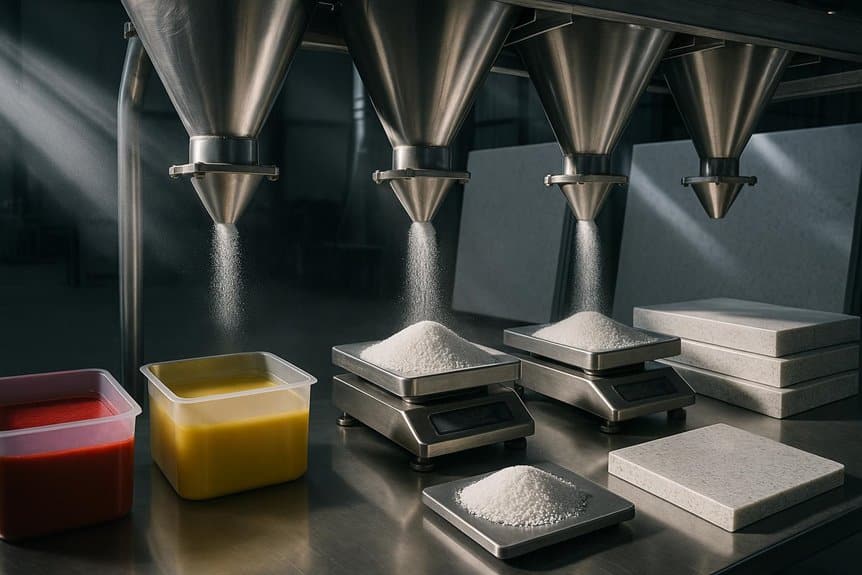
These factors directly affect the configuration of the quartz slab production equipment, including batching, mixing, pressing, curing, polishing, cutting, and material handling systems.
Be cautious with suppliers that immediately offer a fixed configuration without asking detailed questions about what you plan to manufacture. A capable engineered quartz production line supplier should be able to explain why each machine is included, how the proposed line supports your target output, and whether the system can be adapted as your production requirements grow.
The goal is not simply to buy machinery. It is to build a production system that matches your product, capacity, factory conditions, and long-term business plan.
Clearly defining these requirements also makes supplier quotations easier to compare, because each shortlisted quartz stone machinery supplier is responding to the same project brief rather than offering unrelated standard packages.
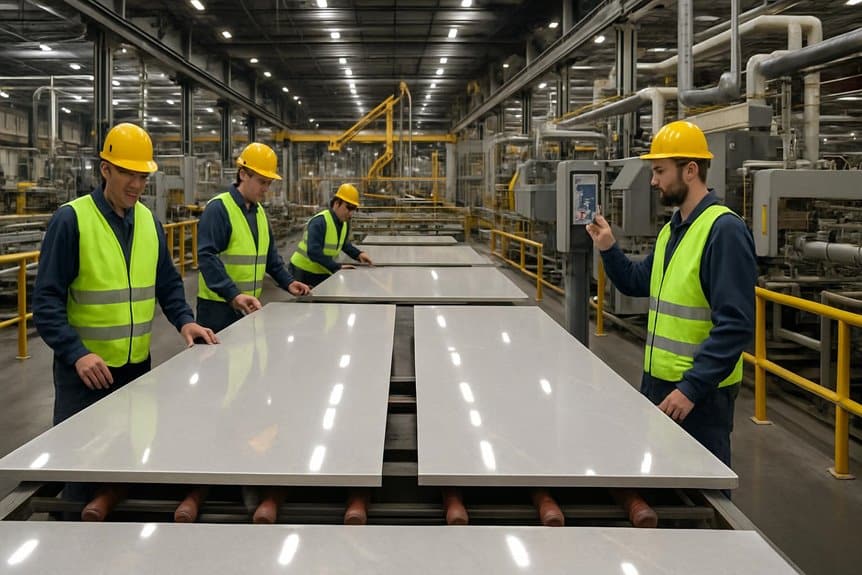
When selecting a quartz slab production line supplier, evaluating the technology behind the equipment is just as important as reviewing the machine list. A complete production line is not simply a combination of individual machines — its performance depends on how well the core systems work together to achieve stable quality, efficient production, and long-term reliability.
Among all equipment, the pressing system deserves particular attention because it directly influences slab density, porosity, strength, and surface quality. However, a high-performance press alone cannot guarantee a successful production line. The supplier must also demonstrate strong process integration capability, ensuring that every production stage — from material preparation to final polishing — operates in balance.
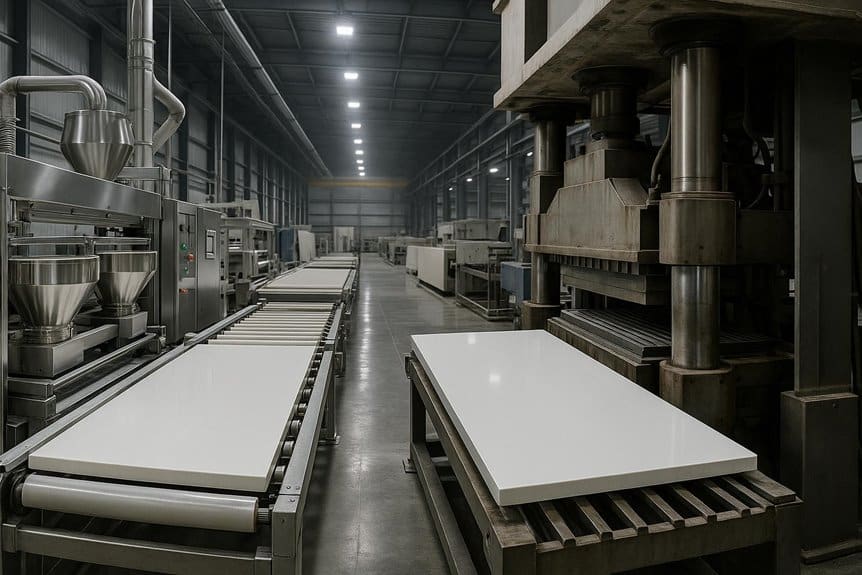
The quartz stone press machine is one of the most critical components of a production line because it determines how effectively raw materials are compacted into a dense, stable slab structure.
A reliable quartz slab production line supplier should be able to explain not only the press specifications but also how the technology contributes to final slab quality and production efficiency.
Key factors to evaluate include:
Do not evaluate a press only by technical specifications on paper. Ask the supplier for commercial production examples and, where possible, review slabs produced under real operating conditions.
When comparing different technologies, such as air spring presses and hydraulic presses, consider more than initial equipment cost. Evaluate energy consumption, maintenance requirements, operating stability, and how the technology supports your long-term production goals.
A strong press is important, but it is only one part of a complete quartz slab production line.
The real performance of a factory depends on whether all production stages are properly matched:
For example, a high-capacity press will not improve overall production if the mixing system cannot prepare material quickly enough or if slabs accumulate before curing and polishing. Similarly, an automated production line can still experience bottlenecks if manual transfer is required between key stages.
A capable quartz stone production line supplier should provide a complete production-flow design showing how each stage connects, including:
The goal is not simply to purchase advanced individual machines. The goal is to build a balanced production system where every stage supports the next, maintaining stable output, consistent slab quality, and efficient factory operation.
When evaluating quartz slab production line suppliers, buyers should look beyond the final quotation price and carefully review what is actually included in each proposal.
The term “complete quartz slab production line” does not always mean the same thing. One supplier may include the pressing system, polishing line, wastewater treatment, installation, and training, while another may quote only the core production equipment and leave additional systems as optional costs.
To make a fair comparison, convert every supplier proposal into the same evaluation framework and check each item individually.
| Project Item | Supplier A | Supplier B |
|---|---|---|
| Quartz stone press | Included | Excluded |
| Polishing line | Excluded | Included |
| Wastewater treatment system | Included | Excluded |
| Installation and commissioning | Included | Optional |
| Operator training | Excluded | Included |
| Spare parts package | Included | Excluded |
| Factory layout support | Included | Excluded |
This comparison helps identify the real scope behind each quotation and explains why supplier prices can vary significantly.
A lower quotation is not always the most cost-effective option. If essential systems are excluded, buyers may face unexpected expenses later for additional equipment, local modifications, installation, or technical support.
By comparing suppliers based on equivalent technical scope, included services, and long-term project support, you can make a more informed decision and select a production line solution that matches your actual manufacturing requirements.
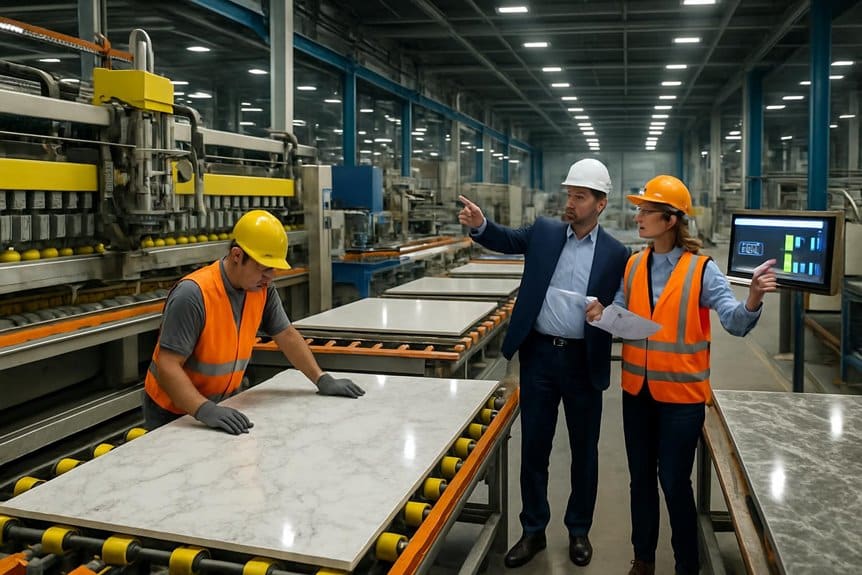
After comparing supplier proposals, it's important to focus on the next phase: confirming the factory is ready for production. You need to verify the supplier's capability to guide your factory from equipment delivery to operational status. Here's what to evaluate:
These factors guarantee a seamless shift from setup to full production, minimizing risks and enhancing operational readiness.
A quartz slab production line is a long-term investment, and reliable after-sales support can directly affect production stability, maintenance costs, and downtime. Therefore, buyers should evaluate a supplier’s support capabilities before equipment problems occur — not after the line has already stopped.
Before selecting a supplier, clarify how technical support is provided after commissioning:
Spare-parts planning is especially important for factories operating in regions far from the equipment supplier. Including essential wear parts and commonly replaced components in the initial project package can significantly reduce production interruptions.
A reliable quartz slab production line supplier should provide more than equipment delivery. The supplier should support the factory throughout installation, commissioning, daily operation, maintenance, and future production improvements.

When selecting a quartz slab production line supplier, focusing only on the initial equipment price can be a costly mistake. A lower quotation may appear attractive, but it may not include important factors such as complete equipment scope, installation support, commissioning, training, or long-term technical assistance.
A supplier offering a cheaper solution may create higher costs later through production delays, additional equipment purchases, lower output stability, or difficult maintenance. Instead of comparing suppliers only by price, evaluate the overall project risk and long-term production performance.
Consider these key factors:
1. Technical Suitability: Does the supplier’s proposed production line match your actual requirements, including slab size, production capacity, product range, automation level, and factory conditions?
2. Project Experience: Has the supplier successfully completed similar quartz slab production projects? Look for evidence of installed lines, operating factories, and experience with projects in different markets.
3. Equipment Reliability: Can the equipment consistently achieve the expected production capacity, slab quality, and yield rate? Pay particular attention to core systems such as the press, curing system, polishing line, and automation controls.
4. After-Sales Support: Does the supplier provide installation, commissioning, operator training, spare parts support, and technical assistance after the production line starts operation?
The right supplier is not necessarily the one with the lowest initial quotation. It is the one that can provide a reliable production solution with lower operational risk throughout the entire lifecycle of the factory.
Choosing a quartz slab production line supplier involves evaluating multiple factors, and a structured scorecard can help buyers make a more objective decision. Instead of focusing only on the quotation price, assign different weights to the areas that have the greatest impact on project success.
A practical supplier evaluation may include:
| Evaluation Area | Suggested Weight |
|---|---|
| Comparable project experience | 20% |
| Technical solution and line design | 20% |
| Core equipment reliability | 20% |
| Installation and commissioning capability | 15% |
| After-sales support and spare parts | 10% |
| Proposal completeness and transparency | 10% |
| Equipment price | 5% |
The exact weighting can be adjusted depending on your project priorities. However, the principle remains the same: technical capability, proven experience, and long-term support should usually carry more importance than the initial purchase price.
A supplier offering the lowest quotation may appear attractive at first, but a lower price can come with hidden risks, such as limited project references, incomplete equipment scope, unclear installation responsibilities, or insufficient after-sales support.
Instead, evaluate each supplier based on the total project value:
A structured supplier scorecard helps reduce decision risk, improves quotation comparison, and ensures you select a partner capable of supporting stable long-term production—not simply the cheapest equipment provider.
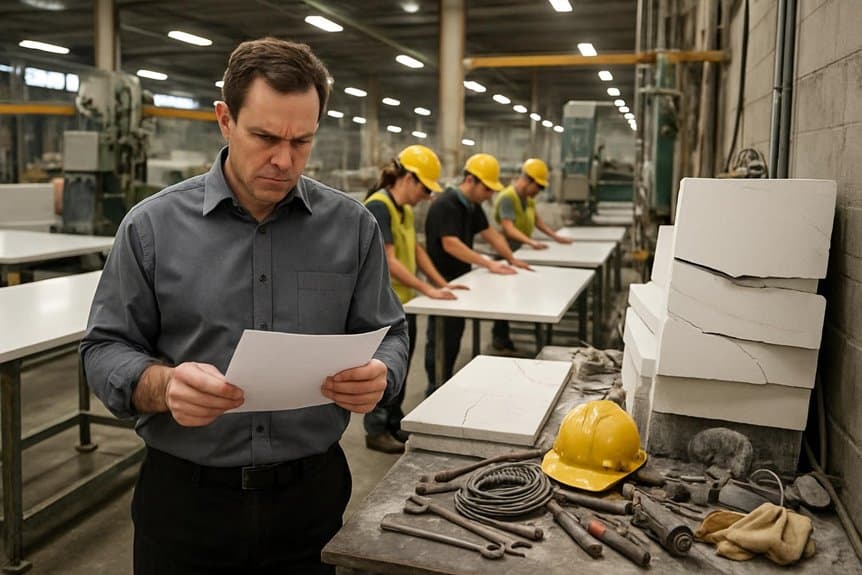
Although selecting a quartz slab production line supplier can be complex, identifying red flags early is vital. Watch for warning signs that indicate potential issues. Some suppliers might not showcase running production lines or make claims without explaining their assumptions. It’s important to scrutinize these aspects for a reliable partnership.
Engage suppliers who provide detailed technical specifications and clear installation responsibilities. If a supplier avoids discussing component brands or offers noticeably lower quotes without justification, proceed with caution. Each red flag warrants further investigation to guarantee the supplier aligns with your project requirements.
Identifying potential supplier risks is important, but a successful supplier evaluation starts with providing clear and complete project information. A detailed project brief allows suppliers to design a more accurate production line proposal and makes quotation comparisons much easier.
Before contacting suppliers, prepare the following key information:
Providing the same project requirements to every shortlisted supplier allows you to compare technical proposals more accurately and avoid misleading price differences caused by incomplete quotations. A well-prepared project brief also helps suppliers recommend the right production line configuration instead of offering a generic solution that may not match your actual needs.
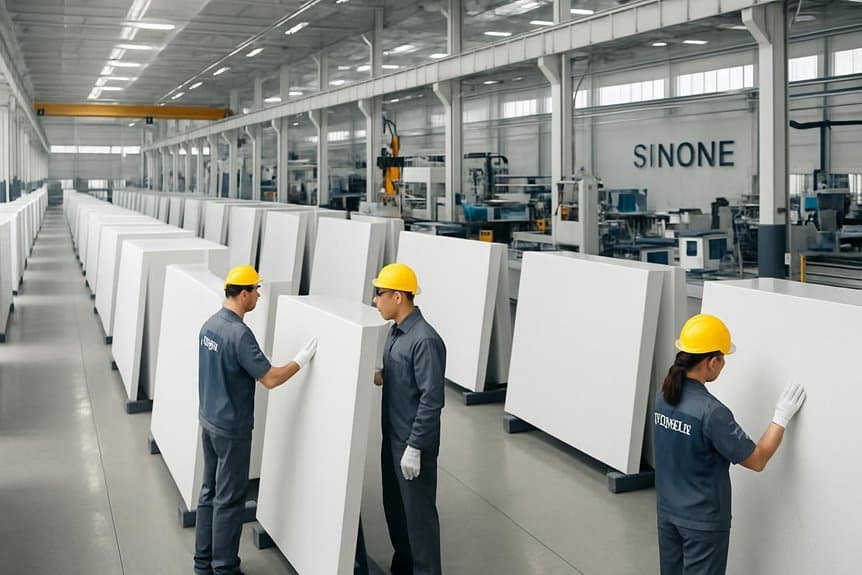
When comparing quartz slab production line suppliers, buyers should evaluate more than equipment specifications. Factors such as project experience, production-line integration, customization capability, and technical support all influence long-term production performance.
SINONE focuses on complete quartz stone and inorganic stone production lines, with experience covering production planning, equipment configuration, installation, commissioning, and technical support. The company has completed nearly 300 production line projects across more than 30 countries and regions, gaining experience with different factory conditions and production requirements.
For each project, the production line can be configured according to key requirements such as slab size, production capacity, automation level, product specifications, and factory conditions, rather than using a fixed standard configuration.
SINONE also develops core production technologies, including its air spring press technology, which is designed for quartz slab forming and is a key part of achieving stable slab density, consistency, and production efficiency.
If you are planning a quartz slab production project, share your target capacity, slab specifications, factory conditions, and automation requirements with SINONE. Our team can help evaluate a suitable production line configuration and provide a project proposal based on your manufacturing goals. Contact us now!
Check the supplier's financial stability by reviewing their credit reports, financial statements, and industry reputation. Verify long-term contracts and existing partnerships. Ensuring they can sustain operations and support your project is essential for reliability.
You should verify the supplier’s industry certifications like ISO 9001 for quality management and CE marking for compliance. These certifications guarantee they meet international standards, providing confidence in their capabilities to deliver reliable, high-quality production lines.
Like a compass guiding your decision-making, customer testimonials and case studies offer insights into a supplier's reliability. They demonstrate proven success, technical capability, and real-world application, helping you navigate towards a confident and informed investment choice.
Confirm the supplier has robust quality control measures, like ISO certifications and consistent inspection protocols. Verify their ability to address defects swiftly. Ask about their quality assurance processes to maintain high production standards and reliability.
When evaluating a supplier’s response time for technical queries, contrast their promptness against industry standards. Quick responses indicate reliability and strong support, while delays suggest potential issues. Control your project’s success by choosing a responsive partner.


[…] defects appear randomly across batches, raw-material control, supplier inspection, and storage discipline become priority […]
[…] complete quotation makes it easier to compare suppliers on a like-for-like basis and helps prevent additional costs appearing later. Buyers should […]