Starting a quartz stone manufacturing plant is not simply a matter of buying machines. A successful project starts with clear market positioning: who you plan to sell to, what slab sizes and designs your market needs, and what production capacity can realistically support your sales goals.
From there, investors need to confirm raw material supply, factory space, utilities, environmental systems, equipment configuration, and total project budget. Each decision affects product quality, operating cost, output stability, and payback period.
This guide walks through the key steps to plan a quartz stone manufacturing plant, from market research and raw materials to production line selection, factory preparation, supplier evaluation, and common mistakes to avoid.
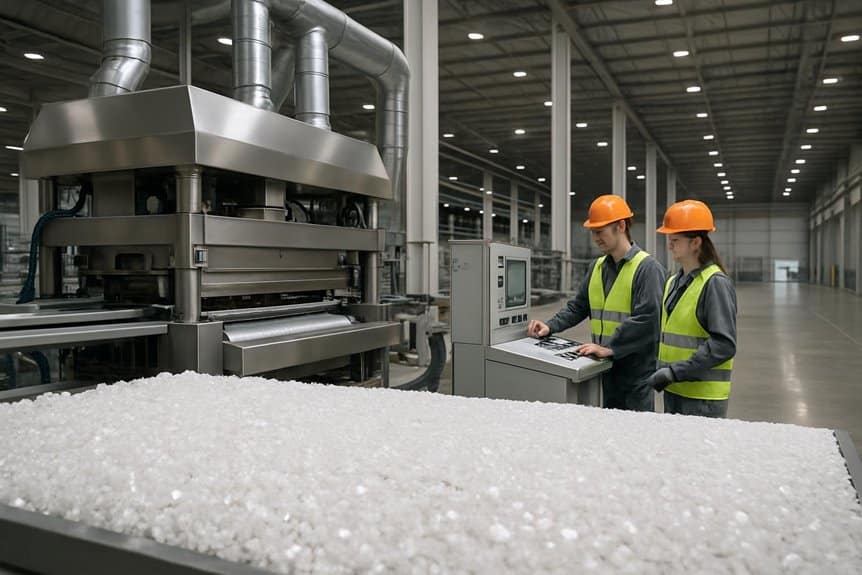
Starting a quartz stone manufacturing plant can be a strong business opportunity when the project is planned around real market demand, stable raw material supply, and the right production line configuration. Quartz slabs are widely used across kitchen countertops, bathroom vanities, commercial interiors, hotels, hospitals, and shopping malls, giving this business multiple demand channels rather than relying on one segment.
For investors, the real advantage of building a local plant isn't just producing slabs — it's controlling supply. In many regions, quality quartz stone is still imported, which means longer delivery times, higher freight costs, and limited design flexibility for buyers. A local plant can respond faster, offer customized colors and sizes, and serve distributors, fabricators, and project developers more directly.
This isn't a business to start by simply buying machines, though. The right production line for a premium jumbo slab operation looks very different from one built for a regional supplier focused on standard countertop slabs, and getting that positioning wrong early is costly to fix later.
Before moving forward, you should be able to answer a few key questions:
If these answers are clear, a quartz stone manufacturing plant can become a scalable business with strong regional supply advantages. If they're not, it's worth completing this planning before requesting a full production line quotation.
To establish a quartz stone manufacturing plant, start by defining your target customers and desired product level.
Analyze market demand to set precise capacity targets that align with industry growth projections and consumer preferences.
This strategic positioning guarantees your equipment investments are optimized for production efficiency and market relevance.
Understanding your target customers and product level is essential before investing in equipment for a quartz stone manufacturing plant. Identify whether you’ll supply countertop fabricators, stone distributors, construction material dealers, commercial contractors, or project developers.
This decision influences your quartz stone factory setup, impacting the quartz slab manufacturing process and quartz stone production line.
Product positioning—whether focusing on economical slabs, mid-range options, premium marble-look slabs, or jumbo custom designs—will determine the entire plant strategy.
Align these choices with your quartz stone plant ROI goals. By defining your market segment and product tier, you control equipment selection and production flow, ensuring maximum returns and a competitive edge.
Before investing in equipment, it's important to align production capacity with realistic market demand. Consider these factors to optimize your artificial quartz stone production line:
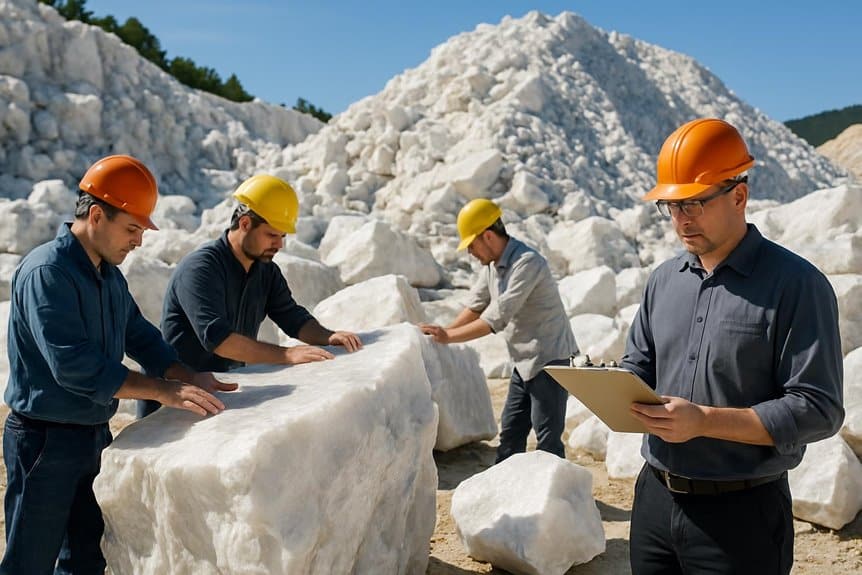
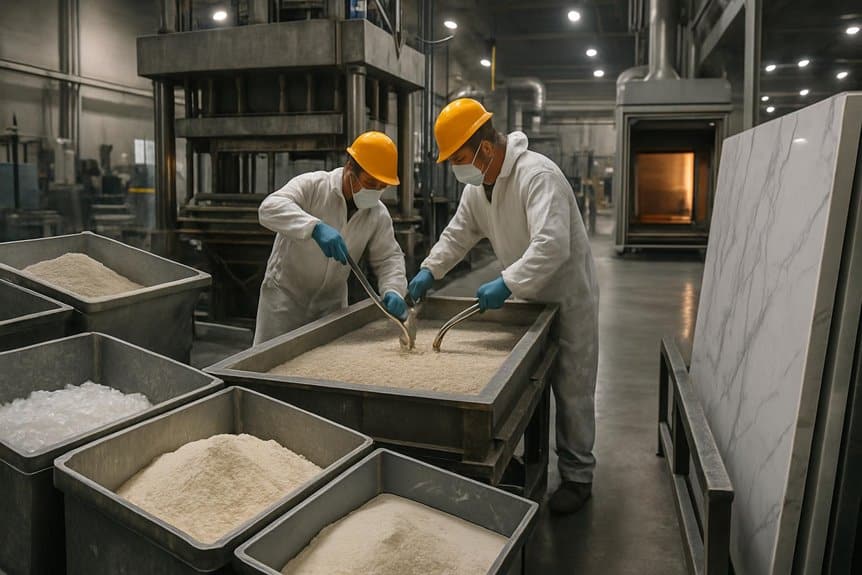
When setting up a quartz stone manufacturing plant, guaranteeing the availability and quality of raw materials is vital. You’ll need a reliable supply of quartz sand and quartz powder, resin, pigments, and curing agents.
Consistent raw material quality is significant to maintain the desired color stability, density, and surface finish of the final product. This consistency helps avoid issues like bubbles, pinholes, and strength variability, ultimately affecting the yield rate.
To achieve this, establish robust partnerships with trusted suppliers and implement strict quality control measures. Regularly test raw materials for impurities and uniformity.
To grasp the essence of quartz stone manufacturing, it’s crucial to follow a structured workflow that guarantees efficiency and quality.
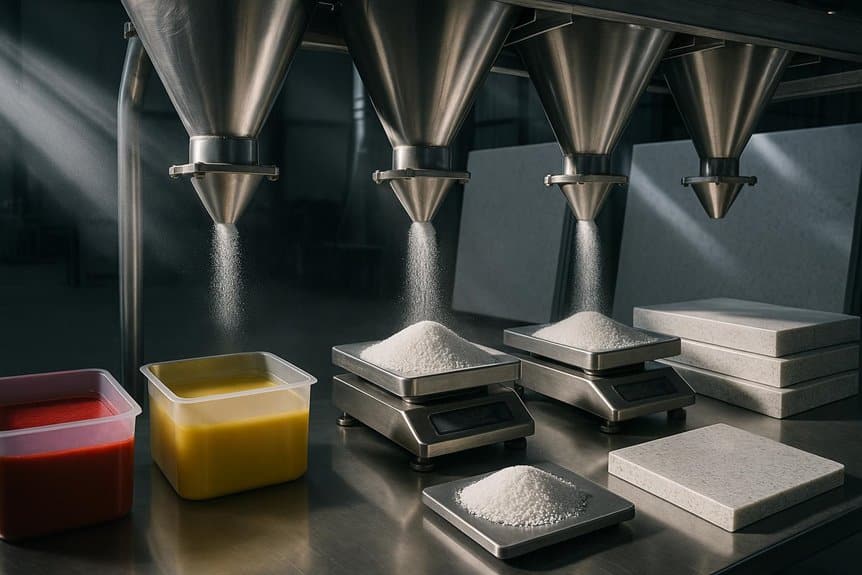
Start by setting up a robust raw material system for storage, weighing, and batching. This foundation supports the entire process.
Here's a streamlined sequence:
Understanding each step guarantees your quartz slab plant investment yields high-quality products.
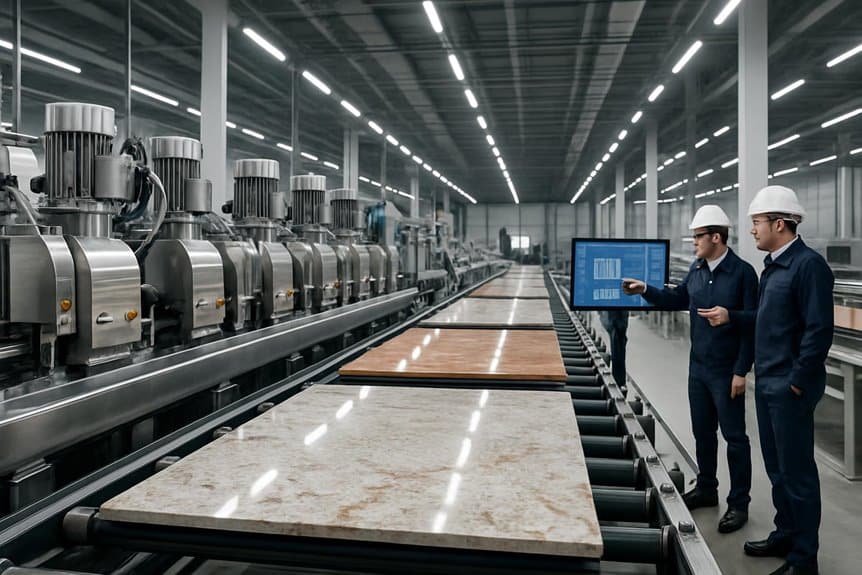
When choosing a production line configuration for your quartz stone manufacturing plant, consider key decisions that impact equipment selection, such as production capacity and automation levels.
Focus on main equipment groups like mixers, presses, and curing ovens, ensuring they align with your business goals and budget.
Analyze each component's specifications to optimize efficiency and product quality.
Selecting the right equipment for your quartz stone manufacturing plant is a critical decision that impacts efficiency and cost-effectiveness.
When considering how to open a quartz stone production business, focus on the type of quartz stone machinery you need. Your choice between a semi-automatic or fully automatic line will hinge on several key factors:
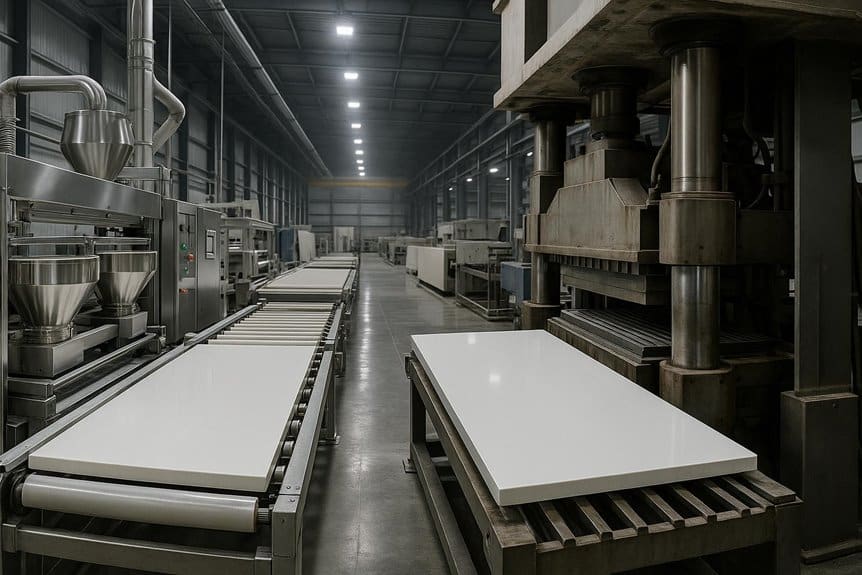
A quartz slab plant is not a single machine. It is a connected production system that moves raw materials through batching, mixing, pressing, curing, finishing, inspection, and wastewater treatment.
When planning an artificial quartz stone factory, the equipment configuration should match your target slab size, production capacity, automation level, and product quality requirements. The main equipment groups usually include a raw material system, mixer, distribution system, quartz stone press machine, curing oven, cooling line, calibrating machine, polishing machine, cutting machine, inspection system, film applicator, and wastewater treatment system.
Each system affects the final slab quality. For example, accurate batching and mixing help reduce color inconsistency and material defects. The press system determines slab density and forming stability. The polishing and cutting systems affect surface finish, thickness accuracy, and final appearance. Environmental systems such as wastewater treatment also help the plant meet production and compliance requirements.
| Equipment Group | Main Function | Why It Matters |
|---|---|---|
| Raw Material System | Stores, weighs, and batches quartz sand, powder, resin, pigments, and additives | Supports stable formulas and consistent slab quality |
| Mixing & Distribution System | Blends materials and spreads them evenly before pressing | Helps reduce color variation, air pockets, and uneven density |
| Quartz Stone Press Machine | Forms slabs through vacuum vibration and pressing | One of the core systems affecting slab density, strength, and yield |
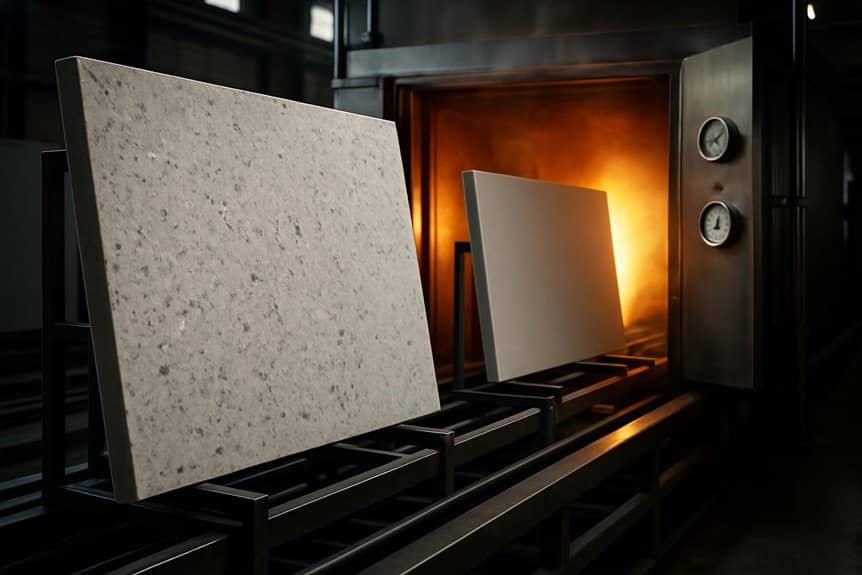
| Curing Oven & Cooling Line | Cures the resin and stabilizes the slab structure | Ensures proper hardening before finishing |
| Calibrating & Polishing Machines | Controls slab thickness and improves surface gloss/finish | Critical for finished product appearance and market value |
| Cutting & Inspection System | Trims slabs and checks surface quality | Helps maintain size accuracy and reduce defective output |
| Film Applicator | Applies protective film to finished slabs | Protects slabs during handling, storage, and transport |
| Wastewater Treatment System | Treats and recycles water from polishing and cutting | Reduces water waste and supports cleaner production |
For investors, the key point is simple: do not evaluate equipment one machine at a time. A successful quartz stone manufacturing plant depends on how well the full production line works together.
When planning your quartz stone manufacturing plant, allocate space efficiently for production, storage, and administrative functions.
Confirm utilities like water, electricity, and gas are sufficient to support machinery and processes, while incorporating environmental systems for waste management and emissions control.
Prioritize sustainability by integrating energy-efficient technologies and adhering to regulatory standards.
Efficient factory layout is essential for optimizing your quartz stone manufacturing plant's operations. Planning involves several critical areas to guarantee seamless production flow and future growth.
Additionally, consider forklift routes for smooth material transit and maintenance space for equipment upkeep.
Don’t forget to plan for expansion to accommodate future growth.
Considering the importance of an optimized layout, addressing the factory's utilities and environmental systems becomes essential.
You'll need a robust plan for electricity, guaranteeing consistent power supply for machinery operations. Water systems should support both production and cooling needs, while compressed air is vital for pneumatic tools.
Implementing a dust collection system is critical to maintain air quality and comply with health standards. Don’t overlook wastewater treatment facilities to handle effluent responsibly, minimizing environmental impact.
Adequate ventilation is necessary to maintain a safe working environment and manage heat generated by equipment.
Finally, focus on safe material handling systems to enhance efficiency and worker safety. This thorough approach guarantees operational stability and compliance with environmental regulations.

To accurately estimate your investment in a quartz stone manufacturing plant, consider both main setup and operating cost items.
Beyond machinery, account for expenses like land acquisition, construction, utilities, and compliance with environmental regulations.
Operating costs encompass raw materials, labor, maintenance, and energy, impacting long-term profitability.
Setup costs go well beyond the equipment itself. To build a realistic budget, plan for these categories:
Many first-time buyers underestimate this full scope when comparing supplier quotes, focusing only on the machine price line item.
After the plant starts production, the main ongoing costs usually come from raw materials, labor, and energy consumption. In many quartz stone manufacturing feasibility models, raw materials account for the largest share of operating expenses, often around 50–60%, while utilities such as electricity, water, and compressed air may add another 20–25%.
These figures should be treated as a planning reference, not a fixed standard. Actual operating costs will vary depending on production capacity, automation level, slab size, local raw material prices, labor costs, and energy rates.
In addition to raw materials and utilities, buyers should also budget for:
Because these cost factors are closely connected, the real payback period cannot be judged by machine price alone. A reliable investment estimate should consider the full production line configuration, local factory conditions, expected output, production cost per square meter, and final slab sales price.
Receiving equipment is not the same as being ready for production. This stage covers three connected phases that determine how smoothly your plant transitions from installed machinery to consistent output.
1. Equipment Installation and Utility Connection. Machinery needs to be assembled and connected to power, water, and other utilities before any testing can begin. Full system testing at this stage confirms that every component works together correctly, catching issues before they turn into costly delays once production starts.
2. Operator and Maintenance Training. Your team needs hands-on training in daily operation and routine maintenance before running full production. Well-trained operators catch quality issues early and keep downtime low, which matters far more once the line is running than it does during setup.
3. Trial Production and Quality Adjustment. Small-batch trial runs let you test formulas, adjust color consistency, and fine-tune curing control before committing to full-scale output. Skipping this step often leads to inconsistent early batches and wasted raw material.
Treating these three phases as sequential rather than optional consistently leads to a faster, more stable path to full operation.
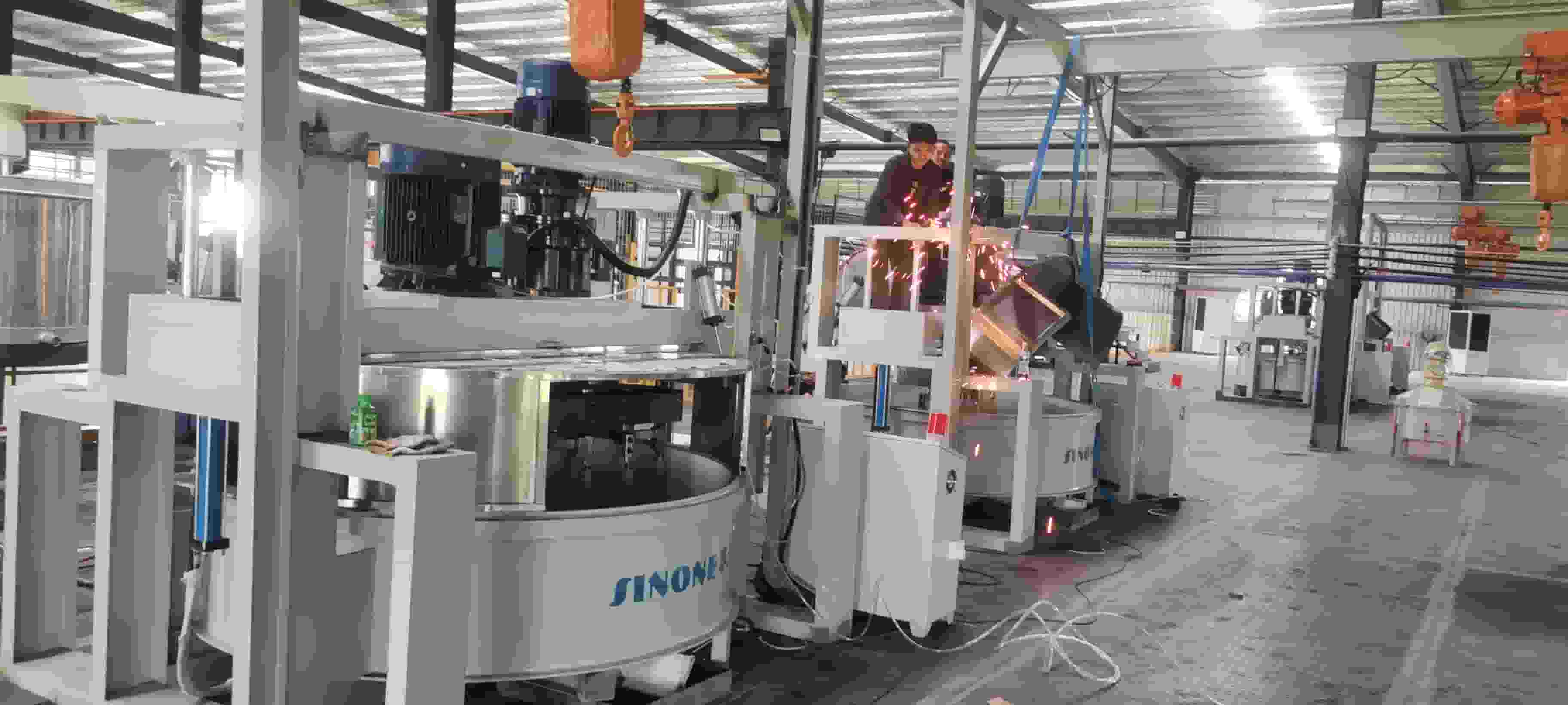
When choosing a quartz stone production line supplier, make certain they provide high-quality, durable equipment and offer extensive after-sales support.
Prepare a detailed list of your specific requirements and production goals before requesting a quotation to make certain alignment with the supplier's capabilities.
Evaluate potential suppliers based on their reputation, technology integration, and ability to meet your plant's scale and customization needs.
Selecting the right quartz stone production line supplier is crucial for your manufacturing plant's success. You need a partner who offers not just equipment but thorough support.
Here’s what to check:
Choosing a supplier with these qualities guarantees operational efficiency and long-term reliability for your plant.
Having clear answers ready before you contact a supplier leads to faster, more accurate proposals and makes it much easier to compare quotes on equal terms.
| Requirement | What to Define |
|---|---|
| Target slab size and thickness | Dimensions needed for your product range |
| Expected capacity | Daily or annual output targets |
| Factory layout | Available space or a layout drawing |
| Product quality level | Style, finish, and quality tier |
| Raw material availability | Local sourcing options and constraints |
| Budget range | Realistic investment ceiling |
| Automation level | Semi-automatic or fully automatic preference |
| Installation timeline | Target date for production start |
The more of these you can define upfront, the more precisely a supplier can match their proposal to your actual needs, rather than sending a generic quote that requires several rounds of revision. For first-time investors, a turnkey production line solution that bundles equipment, installation, training, and after-sales support into one coordinated package is often the more reliable path than assembling separate vendors for each stage.
Most startup problems trace back to skipped steps rather than bad luck. These five mistakes come up most often with first-time investors.
1. Buying equipment before defining the product strategy. Purchasing machinery before deciding on target customers and slab range often results in mismatched capacity or the wrong automation level for your market.
2. Choosing capacity based only on budget. Sizing a plant around available funds rather than realistic demand leads to either wasted capacity or an underbuilt line that needs a second investment round too soon.
3. Ignoring raw material quality control. Inconsistent materials cause color variation, reduced density, and lower yield, all of which are expensive to fix after production has already started.
4. Underestimating factory layout and utilities. Retrofitting space or utility systems after equipment arrives causes delays and adds unplanned cost to the project.
5. Comparing suppliers only by price instead of total project support. A lower quote that excludes installation, training, or after-sales service often costs more in the long run than a comprehensive proposal.
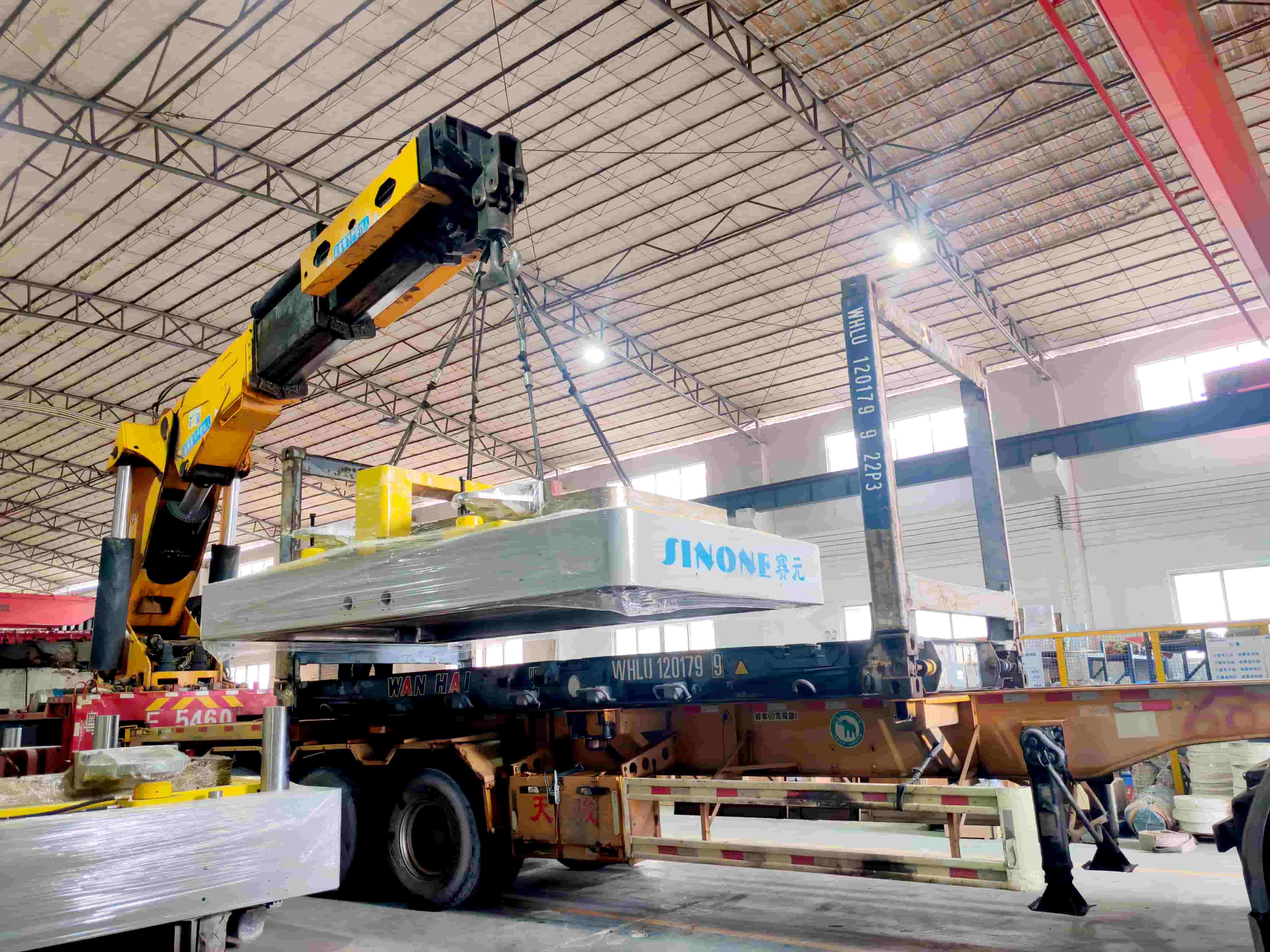
Starting a quartz stone manufacturing plant requires more than purchasing equipment. You need the right production line configuration, factory layout, installation plan, operator training, and long-term technical support.
SINONE supports investors and manufacturers through the key stages of quartz stone plant setup, from early project planning to equipment configuration, installation, commissioning, and training. Based on your target slab size, production capacity, automation level, and factory conditions, our team can help design a practical quartz stone production line solution that matches your business goals.
We also help buyers plan the production workflow, including raw material handling, pressing, curing, polishing, cutting, inspection, and finished slab storage. This helps improve factory efficiency, reduce avoidable layout problems, and prepare the plant for stable long-term operation.
After installation, SINONE provides training and after-sales support to help your team operate the equipment properly, understand daily maintenance, and solve production issues more efficiently.
Planning to build a quartz stone manufacturing plant? Contact SINONE to discuss your target capacity, slab specifications, factory layout, and suitable production line configuration.
You'll need to comply with air and water quality standards, waste management protocols, and environmental impact assessments. Secure necessary permits, guarantee proper dust control measures, and implement energy-efficient practices to minimize environmental footprint.
Imagine securing financing as building a bridge. Approach banks and investors with a detailed business plan, highlighting market trends, projected ROI, and cost breakdown. Demonstrate your plant's potential for profitability and long-term sustainability.
You'll need ISO 9001 for quality management, ISO 14001 for environmental management, and possibly NSF certification for safety standards. These guarantee compliance, enhance product credibility, and meet industry requirements, giving you control over quality assurance.
Secure reliable suppliers by conducting thorough vetting processes. Establish long-term contracts, monitor supplier performance, and diversify sources to mitigate risks. Implement robust inventory management systems for forecasting and adapting to market fluctuations efficiently.
Focus on incorporating bold colors and veined patterns for trendy quartz designs. Embrace advanced technology for seamless finishes and sustainable practices. Innovate with customizable options, ensuring your designs remain appealing and meet consumers' evolving aesthetic preferences.
Starting a quartz stone manufacturing plant comes down to a clear sequence of decisions rather than any single big purchase. Market positioning shapes your product range, product range shapes your equipment needs, and equipment needs shape your factory layout and budget. Skipping ahead in this order is where most first-time investors run into trouble, whether that means buying machinery before confirming demand or underestimating utility requirements until installation is already underway.
Working through each step in order, from raw material planning to supplier selection, gives you a realistic view of the investment and timeline involved. It also puts you in a stronger position when comparing quotes, since you'll know exactly what a complete proposal should include. With the right planning and the right production line partner, moving from decision to full operation is a manageable process rather than a guessing game.